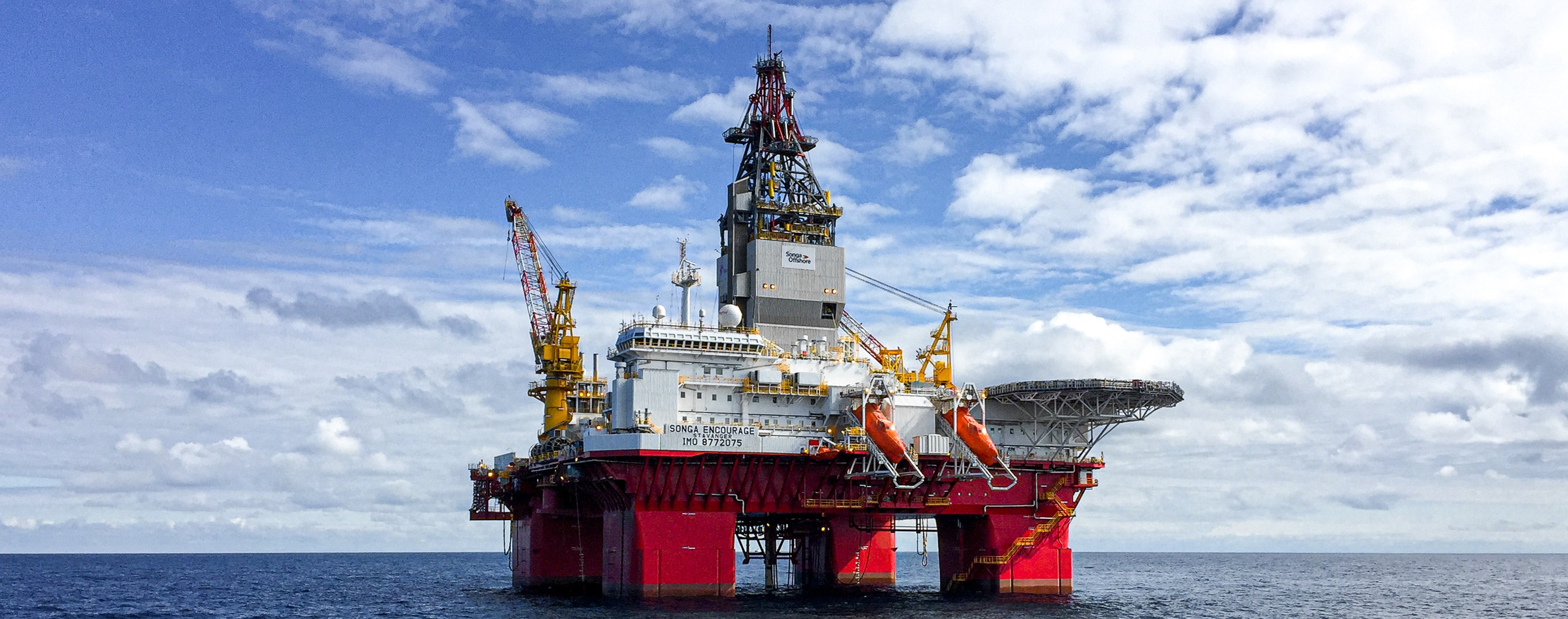
wire rope joint brands
verope® AG is a Joint Venture company between Pierre Verreet, head and founder of verope®, and Kiswire Ltd. from South Korea. By using the extraordinary expertise of verope® in the special wire rope market and the long experience of Kiswire Ltd. in efficient production, verope® is a partner you can rely on.

We make it easy to find the information you need when you need it. Browse through our different Industry specific Product Catalogs and download straight to your mobile device. Its the fastest way to look up Cable Strengths and Capacities for your upcoming Wire Rope projects.
While some use these two terms interchangeably, technically wire rope refers to a diameter greater than 3/8”. Cable rope - also called aircraft cable - applies to all smaller variations.
Consequently, aircraft cable is only used for lighter-duty purposes, such as winch lines, fences, and railings, while wire rope can be using for lifting, towing, hoisting, etc. Both are ideal for outdoor environments because the strength and length remain constant regardless of whether they are wet or dry.
If you are looking for an option specifically designed for lifting, check out our wire rope slings. They come in a number of configurations - choices include leg count, end hardware, and more.
Generally composed of wires, strands, and a core shaped in a spiral pattern, wire rope is incredibly durable. Steel wires are aligned in a precise helix geometric pattern to form a strand in a process known as "stranding." A "closing" comes next, where the strands are laid around the core to form a wire rope.
The greater the diameter, the greater the break strength. Our selection of 1/8" stainless steel cable has a break strength of less than 2,000 lbs., while our 2-1/2" wire rope has a break strength of more than 600,000 lbs.!
Right hand and left hand designations indicate which way the strands wrap around the core of the steel rope, while regular lay and Lang lay designations specify which way the wires that make up the strand are formed in the helix pattern.
Regular lay means the wires are rotated opposite the direction of the strands around the core. Lang lay means the wires are twisted in the same direction as the strands wrapped around the wire rope core.
Our wire rope lay is right hand regular lay, with strands wrapped around the core to the right, and the wires making up the strand turned and rotated to the left.
Independent wire rope cores (IWRC) are made from steel, offer more support to the outer strands, and have a higher resistance to crushing. IWRC also offer more resistance to heat and increase the strength of the rope.
This refers to how many strands make up the rope and how many wires make up one strand. For instance, a 6x26 wire rope has 6 strands around a core with 26 wires making up each strand.
All wires consist of layer(s) arranged in a specific pattern around a center. Pattern designation is affected by the size of the wires, the number of layers, and the wires per layer. Wires can utilize either a single pattern style or a combination of them, known as a combined pattern:
Warrington - Two layers of wires. The outer layer has two diameters of wire (alternating between large and small), while the inner layer has one diameter.
Although wire rope is extremely strong, it can become damaged with improper use, making it unsafe to use. It"s important to have regular inspections for breaks, corrosion, overuse wear, and kinks.
Our rigging supplies category includes hardware and accessories for cranes, dredging, excavating, hoists & winches, logging, and marine uses. If you"re unsure what you need or have questions, call for help from our product specialists with expertise in wire rope/cable rigging supplies.
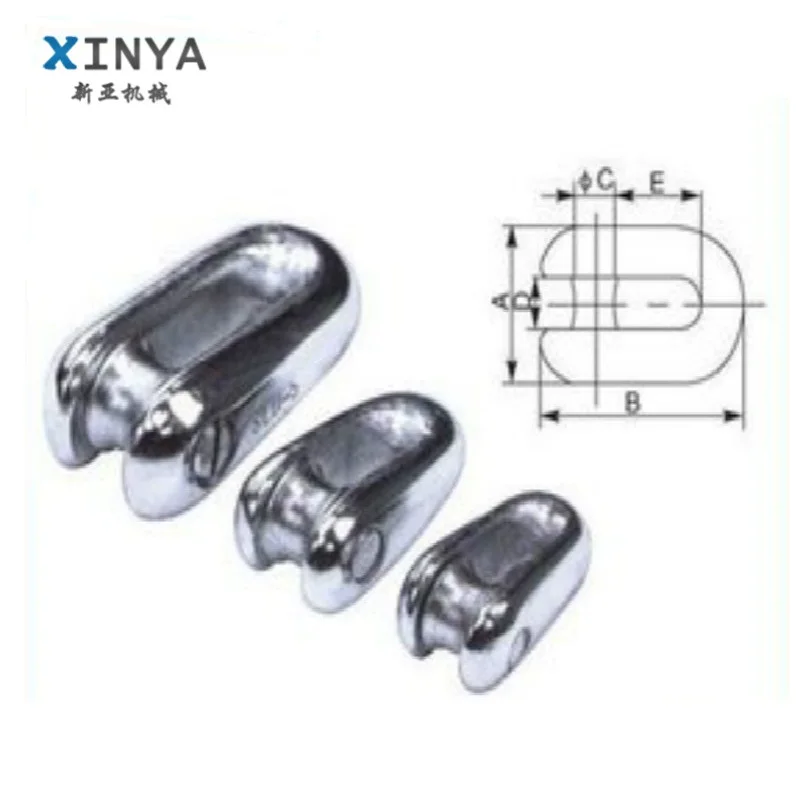
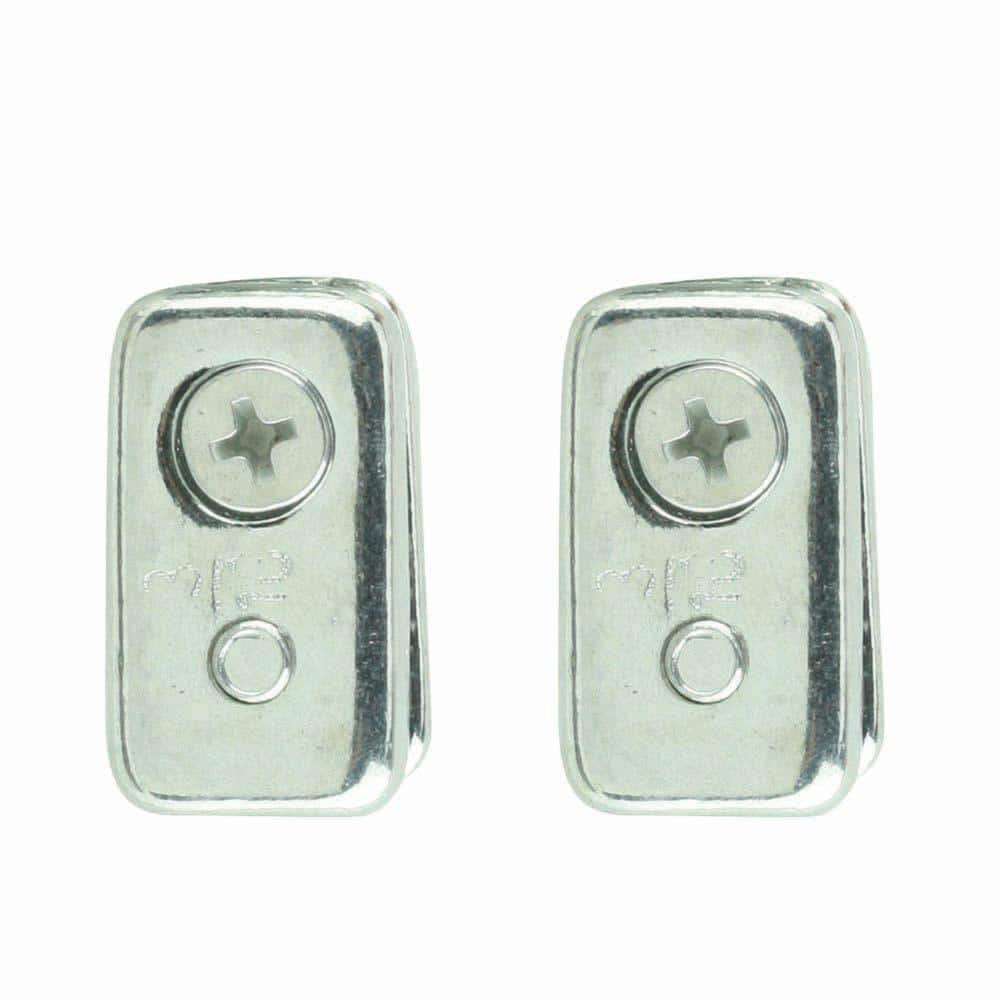
Stock up on every variety of steel wire rods at the Alibaba metalworking store. Our listings feature wholesale steel rods from a network of dependable Chinese manufacturing partners. If you need to source steel rods for construction projects, you"ll find products that are robust and durable. And if you need welding rods, they are easy to find via our search engine. Track down the wire rope joints you need at affordable prices at Alibaba.com.
What can you do with the steel wire rods available from Alibaba"s wholesale store? One common use for steel rods is in the welding sector. Steel works well as a welding rod material thanks to its high ductility, meaning that welds are relatively strong and long-lasting. Choose a low carbon rod and you"ll be all set for successful welds in industrial settings and workshops alike. However, steel wire also has applications beyond welding. You can use it as wiring in electronic circuits and power distribution systems and it works especially well in high temperature settings as armored cabling. Find the ideal wire rope joints for every industrial use at Alibaba.com.
Steel wire rods also have applications in everyday life. For example, you can use coils of steel wire to construct fences and barriers both inside and outside homes. It"s a common material in agricultural businesses thanks to its toughness and resistance to oxidation. Use it to create reinforcement cages, enclosures for equipment, or add it to concrete to add extra strength where it really matters. From welding to concrete reinforcement, wire rope joints will always find a use. And whether you need small batches or huge bulk orders, our metallic materials catalog is the ideal place to look.
Browse through Alibaba.com and examine the vast range of wire rope joint and choose the most favorable. Depending on your machine’s specifications, you will get the ideal products to solve all of your needs. If you have a business and you need your products in bulk, utilize unbelievable deals tailored for wire rope joint wholesalers and suppliers, and increase your profitability.
Whether you plan to manufacture different parts such as screws and bolts, springs, or even welding rods, you can find a continuous supply of your preferred wire rope joint from Alibaba.com at affordable prices. The many suppliers available on this online platform offer various products that will meet your requirements, whether in the construction, automotive, or medical industry, among others. From flat to round, hexagonal to square-shaped rods, you can find anything at Alibaba.com.
Take your DIY projects to the next level with quality wire rope joint available at wholesale price. Collect the ones that will make sure that your creation will stand the test of time. Plug and play is the basic rule of thumb along with style. While ensuring rust-free service by the pipe connectors, aesthetics is the key thing the buyers mostly inquire about. Cleaning should be easier without sacrificing the finish. Industry, factory, farmhouse, the need of w rope joint is never-ending. So, try to have a balance between retro and modern in your collection to attract all sorts of customers.

CLEVELAND, OH – Mazzella Lifting Technologies, a Mazzella Company, is pleased to announce the acquisition of Denver Wire Rope & Supply. This acquisition will strengthen Mazzella’s footprint west of the Mississippi River and reinforce Mazzella’s commitment to be a one-stop resource for lifting and rigging services and solutions.
Denver Wire Rope & Supply has been in business since 1983 and services a variety of industries out of their location in Denver, CO. Denver Wire Rope & Supply is a leading supplier of rigging products, crane and hoist service, below-the-hook lifting devices, and certified rigging inspection and training. Effective immediately, Denver Wire Rope & Supply will operate as Mazzella / Denver Wire Rope. Terms of the transaction are not being disclosed.
“Denver Wire Rope & Supply will complement the wide range of products and services that Mazzella Companies offers. We are dedicated to being a single-source provider for rigging products, overhead cranes, rigging inspections, and rigging training. Both companies commit to a customer-first mentality, providing the highest-quality products, and leading by example when it comes to safety and sharing our expertise with customers and the market,” says Tony Mazzella, CEO of Mazzella Companies.
“Our team and family are excited to be part of the Mazzella Companies. This acquisition strengthens our place in the market and allows our team to continue to provide excellent service and products to our valued customer base and expand our offering,” says Ken Gubanich, President of Denver Wire Rope & Supply.
“Over the years, we have had numerous companies show interest in purchasing Denver Wire Rope & Supply, none seemed to be the right fit. We are looking forward to becoming a part of an aggressive, passionate, and progressive organization. As a family business for over 36 years, it is important to us that our customers/friends, suppliers, and team members continue to be treated with first-class service, products, and employment opportunities. Again, we are very enthusiastic about our future and look forward to being a quality supplier for your crane, safety training, rigging, and hoisting needs for years to come,” says Gubanich.
“We wish Ed and Carol Gubanich all the best in their retirement. We welcome Ken and the other second and third-generation Gubanich family members, as well as the entire Denver Wire Rope Team, into the Mazzella organization,” says Mazzella.
We’ve changed our name from Denver Wire Rope to Mazzella. Aside from the new name and logo, our member experience is virtually unchanged. Here are some common questions and answers related to this change.
In 2019, Denver Wire Rope & Supply was acquired by Mazzella Companies to expand lifting and rigging products and services to the western half of the United States.
In 1954, James Mazzella founded Mazzella Wire Rope & Sling Co. in Cleveland, OH. For over 65 years, the company has grown organically by nurturing historic relationships, expanding its product offerings, and entering new markets through acquisition.
An association between Broken Hill Proprietary Co. Ltd. (BHP) and rope manufacturers in Great Britain led to the establishment in 1923 of a wire rope manufacturing facility in Newcastle. A new company was formed under the name, Australian Wire Rope Works.
A site was selected in Newcastle, and a state of the art factory was built, with advanced manufacturing equipment, producing ropes compliant with British standards. Rope manufacturing began in 1925 and in 1933 the company became a fully owned subsidiary of BHP.
After 1945, Australia entered a boom period. The economy developed strongly and in the 1950s the Wire Rope Works was involved in major nation building projects such as the Snowy Mountains Scheme. In 1958, BHP consolidated and Australian Wire Rope Works became part of Australian Wire Industries (AWI). The 1970s and 1980s mining boom required new, advanced machines and additional capacity, with the capability to produce rope up to 150mm diameter, in 60 tonne parcels.
In 2000, the Long Products steel division separated from BHP and OneSteel was formed. Recognising the key role of the rope business, OneSteel began making strategic investments, such as the installation of one of the world’s largest electronically controlled rope closers in 2002, capable of producing 200mm diameter rope, and the installation of specialist plastic infusion equipment in 2009.
In July 2012, OneSteel, as a listed company, was renamed Arrium. Concurrently the rope business was rebranded as Moly-Cop Ropes, and we became part of the global mining consumables business of Moly-Cop. In March 2015 Arrium Limited sold its Wire Ropes business to Bekaert, a Belgium based company, specialising in wire products and coatings. MolyCop ropes was rebranded as WRI Australia, representing the brand used by the Bekaert Ropes Group businesses of Wire Rope Industries in North America, who themselves have over 125 years’ experience in wire ropes solutions for the mining and industrial sectors.
Manufacturing companies choose to use Dyneema rope over steel wire rope for heavy lifting applications such as heavy lift slings, crane rope, and other rigging operations because Dyneema rope:
Dyneema fiber rope is made from Ultra-High Molecular Weight Polyethylene (UHMWPE) fiber. Dyneema 12 strand rope is a common Dyneema fibered rope used for heavy-duty rigging applications. USA Rope & Recovery manufactures several different types of Dyneema fiber rope including the popular 12 Strand, and 24 Strand ropes, as well as others. No matter the application, USA Rope provides strong, durable, and efficient rope for the marine, arborist, nautical, off-roading, and other manufacturing industries.
More times than not, Dyneema fiber rope and steel wire rope are compared by most manufacturing companies–likeThe Rigging Company–for certain maritime, mooring, and towing rope applications. Pound for pound, Dyneema fiber rope is up to 15 times stronger than steel and up to 40% stronger than aramid fibers–otherwise known as Kevlar rope. The high-performance strength and low weight of Dyneema rope ensures that it is safer to use than steel wire rope. Ideally, Manufacturing companies want a rope that can withstand tremendous weight while being light enough to move, use, and work with when needed. Traditionally, steel wire rope is used for heavy-duty maritime, rigging, and mooring rope applications. Although steel wire rope is known for being used for heavy-duty rigging, the disadvantage is the serious risks that come from its heavy-weight and uneven breakage behavior. When a steel wire rope breaks, the combination of the enormous energy and incredible force causes unpredictable recoil. This unpredictable recoil comes from how wire rope is coiled. Essentially, wire rope is several strands of metal wire twisted into a helix, forming a composite rope. When breakage occurs, the helix formed rope unravels, creating a snaking behavior which can cause sharp edges of the broken strands to release at a dangerous force. The lack of strength compared to Dyneema rope shows that steel wire rope is more susceptible to breaking. This can increase risk factors for manufacturing companies that use steel wire rope for rigging, mooring, and heavy duty lifting.
For example, when comparing a ⅜ inch 12 Strand Dyneema rope to a ⅜ inch steel wire rope, the 12 strand Dyneema rope is significantly stronger and presents safer breaking characteristics. The ⅜ inch steel wire rope withstands a load of 14,478 pounds. As the video shows, even in the event of a partial rupture, the steel wire ropes higher mass and recoil provides a greater risk over 12 Strand Dyneema rope. With a ⅜ inch 12 Strand Dyneema rope, it can withstand 18,857 pounds. With the Dyneema fibers low mass and recoil, it reduces the risks for manufacturing companies using rigging rope for heavy-duty lifting applications.
Dyneema is 7 times lighter than steel wire rope at the same strength. In the event of a break, the recoil force is considerably less. Furthermore, the different construction of a Dyneema rope shows a linear recoil without any snaking behavior. This is due to the fact that Dyneema rope is manufactured from UHMWPE, which is comprised of extremely long chains of polyethylene oriented in the same direction, resulting in an overlapping effect. The overlapping of the UHMWPE increases the bond of the chains and thereby strengthens the Dyneema fiber. Dyneema rope offers durable characteristics that can withstand an immense amount of strength while having very little weight to the rope. Because Dyneema fiber is lighter and has a lesser impact when breakage occurs, choosing Dyneema rope over steel wire rope is the safer choice for manufacturing companies working with heavy lifting and below the hook rigging applications for the industrial, nautical, and arborist industries.
When choosing the best rope for any maritime, mooring, towing, or heavy-duty lifting application, choose a rope that can withstand extremely heavy loads and has a long enough lifetime to handle external factors in the nautical, industrial, or arborist industry. In order to decide which rope is best for the job, there are four main challenges that rigging, heavy-duty lifting, mooring, and towing ropes need to overcome:
Dyneema rope is the only high modulus synthetic fiber that has been scientifically engineered–from Ultra-High Molecular Weight Polyethylene (UHMWPE)–to overcome all four of these challenges. Dyneema is the world’s strongest fiber producing ropes that are 15 times stronger than steel wire ropes of the same weight and has become one the most trusted fiber ropes over generic HMPE ropes and steel cable wire ropes for all rigging, maritime, mooring, and towing rope applications.
Manufacturing companies that work with maritime and mooring applications need a durable rigging rope to withstand the constant pulling that comes from the rope running through fairleads and over capstans. Also, in heavy-duty lifting and towing applications, ropes come in contact with rough surfaces such as chocks and the vessel’s deck. These applications can potentially provide severe abrasions to the ropes and degrade the exposed fibers, eventually breaking them. Choosing a Dyneema fibered rope provides manufacturers with a durable, lightweight rope that carries an abrasion lifetime that is four times longer than steel wire rope and rope made with regular HMPE and polyester. With Dyneema’s extended abrasion lifetime, manufacturers are choosing Dyneema rope over steel wire rope for all mooring, towing, maritime, and heavy-duty lifting applications throughout the nautical, arborist, and industrial industries.
Bending fatigue occurs every time a rope flexes under tension. For heavy-duty lifting applications, rope experiences potential bending-fatigue every time something needs to be moved. For example, when a steel beam manufacturer has completed a 15-ton custom-made beam for a military-grade application, the finished product needs to be moved onto a truck for shipment. Rigging ropes are then attached to a crane to then lift, move and place the steel beam from the warehouse to the truck. This can wear out the rope. Another example is when the rope runs over fairleads and pedestals in maritime and mooring applications. This stresses the fiber both inside and outside of the rope causing bending fatigue and decreases the useful life of the rope. Certain conditions in towing and mooring applications can also lead to compression fatigue. This happens when ropes become slack during services and the fibers compress. Due to the molecular properties (UHMWPE) engineered to make Dyneema fiber– and its extremely long chains of polyethylene oriented in the same direction–threats of compression and bending fatigue are far less over other synthetic fibers and steel wire ropes.
In all rigging applications, synthetic ropes elongate when over a long period of time when loaded in higher temperatures–commonly referred to as creep. Creep is irreversible and when combined with abrasions or other risks, it can lead to rope failure. With regular HMPE rope, in heavy-duty lifting and towing applications where high loads and high temperatures are constantly a factor, the creep process can accelerate. This can be a major risk for ropes made from generic HMPE. In contrast, Dyneema rope has up to four times longer creep lifetime. When comparing Dyneema fiber to Spectra, another synthetic fiber rope, under 122 degrees Fahrenheit and 600 MPa load, Dyneema rope has a significantly longer creep lifetime than Spectra fiber rope.
eAfter comparing Dyneema rope to steel wire rope–a ⅜ inch 12 Strand Dyneema rope to a ⅜ inch steel wire rope–there is a guarantee that Dyneema rope is 15 times stronger and better at dealing with abrasions over steel wire rope. For manufacturing companies, Dyneema rope is also considered to be superior to Nylon rope due to Dyneema fiber having low ability to stretch, is UV resistant, and possesses an immense amount of strength. USA Rope properly manufactures Dyneema fibered ropes that are synthetically engineered to uphold incredible weight while enduring constant friction for application uses involving heavy-duty lifting, crane rope support, and below the hook rigging.
Understanding that Dyneema fiber rope is better used for manufacturing companies over steel wire rope, USA Rope & Recovery works hard to manufacture the highest quality rope by using top-of-the-line supplies from across the USA. Dedicating time and effort to finding the next best and technologically advanced products in the market is our main goal at USA Rope in order to help our customers gain the best competitive advantage in their respective field. USA Rope & Recovery also manufactures additional ropes including Spectra, Nylon, Polyester, Polypro, and Kevlar (Aramid) fiber ropes. No matter the application, USA Rope is a leader in custom rope manufacturing for industries including nautical, industrial, arborist, and marine.
In general, running rigging should be replaced whenever it shows visible signs of damage – core hemorrhaged through the cover, several broken strands close together, “rot” from UV exposure, or green and stiff from disuse. There’s a rule of thumb, but it varies rigger to rigger. The Rule of thumb says to replace all rigging hardware every 5-10 years. However, depending on how much everyday usage, weight, and environmental factors the rigging ropes take on can make the rule of thumb shorter or longer.



 8613371530291